
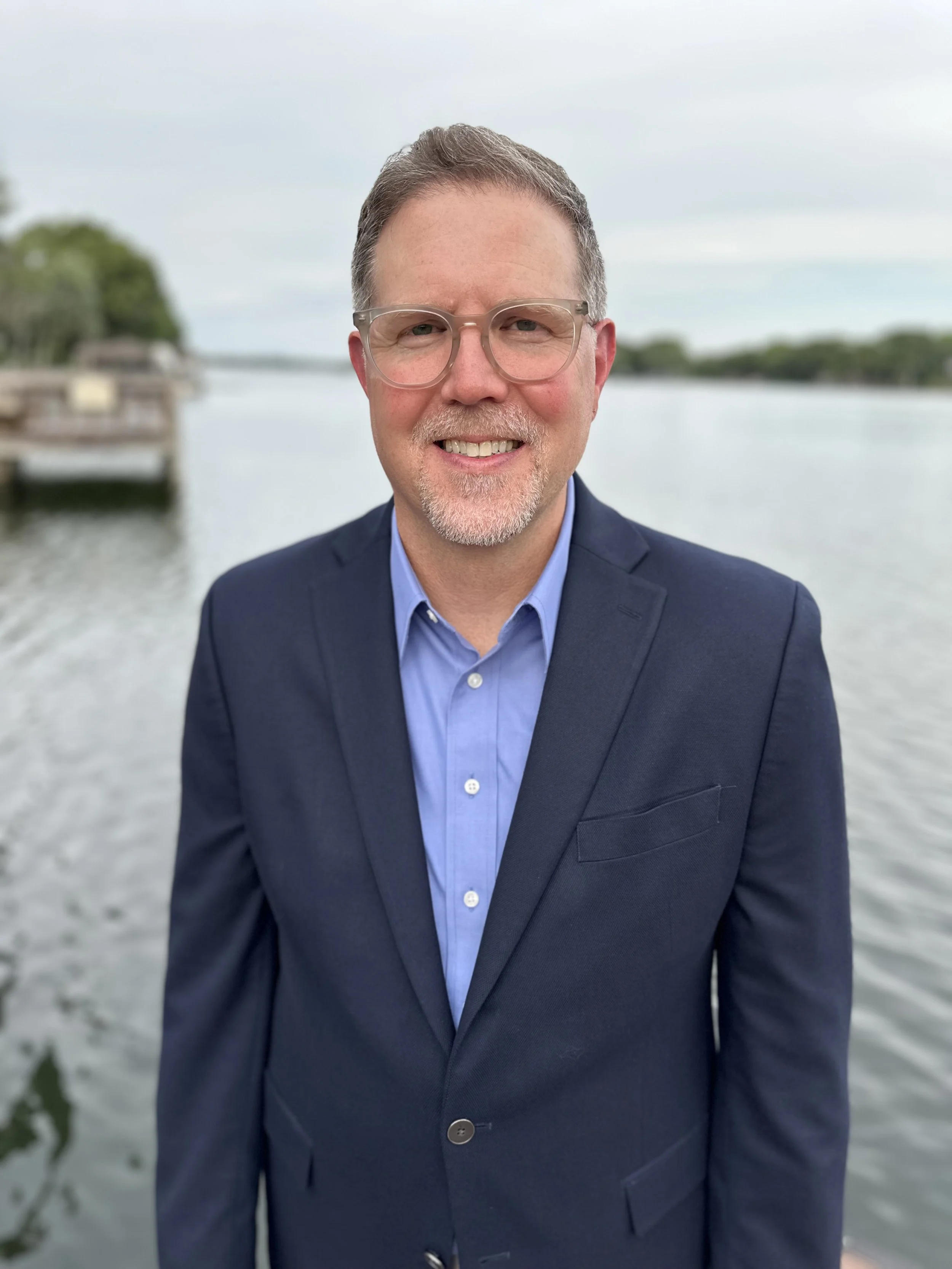
Kenneth Morgan-Schleuning
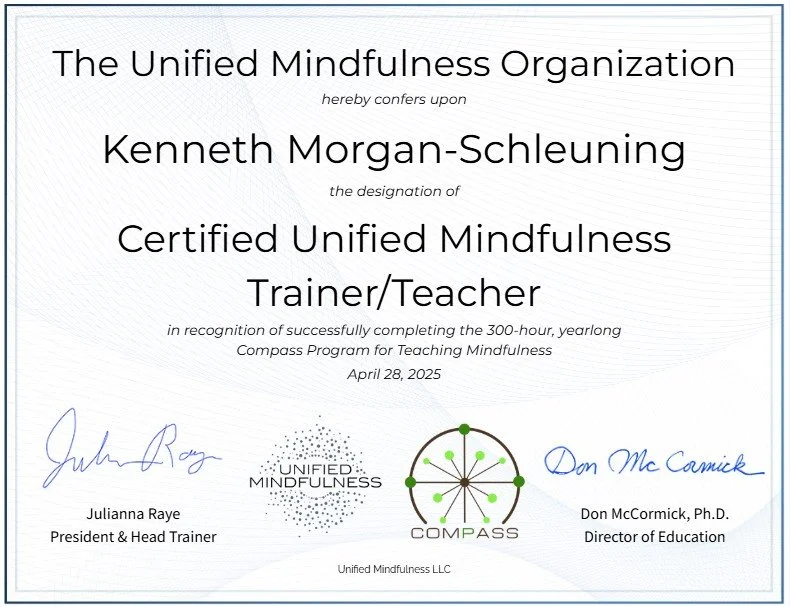
Welcome to LEAD Present, a mindfulness coaching practice for leaders. I’m certified in mindfulness coaching through Unified Mindfulness – a science-based system – with over 300 hours of mindfulness training. The Unified Mindfulness system is used by leading institutions like Harvard and Carnegie Mellon for their research on meditation. My workshops and coaching sessions have helped leaders navigate stress and overwhelm while building the mindfulness skills that support their work in sales, marketing, strategic communications, team management and other disciplines.
Prior to starting LEAD Present, I worked in leadership roles for globally recognized travel destinations and entertainment brands, including Universal Destinations & Experiences, The Walt Disney Company and Visit Florida. My early career was shaped by the service-focused cultures at The Ritz-Carlton Hotel Company and Four Seasons Hotels and Resorts.
During my time at Universal, I launched and hosted a weekly mindfulness session for the marketing and sales division called Getting Still Amid the Thrills. Leaders benefited in their roles by dropping into the moment together each week to practice mindfulness meditation. Team members frequently told me it was the best meeting of their week because it provided the time and space to center themselves as they faced leadership and work-related stressors.
Public relations and communications consistently rank among the most stressful professions due to the fast-paced, high-stakes environments in which people work. My own mindfulness practice made all the difference as I led the team that launched the public relations campaign for the opening of three new Universal Orlando hotels in partnership with Loews Hotels & Co.
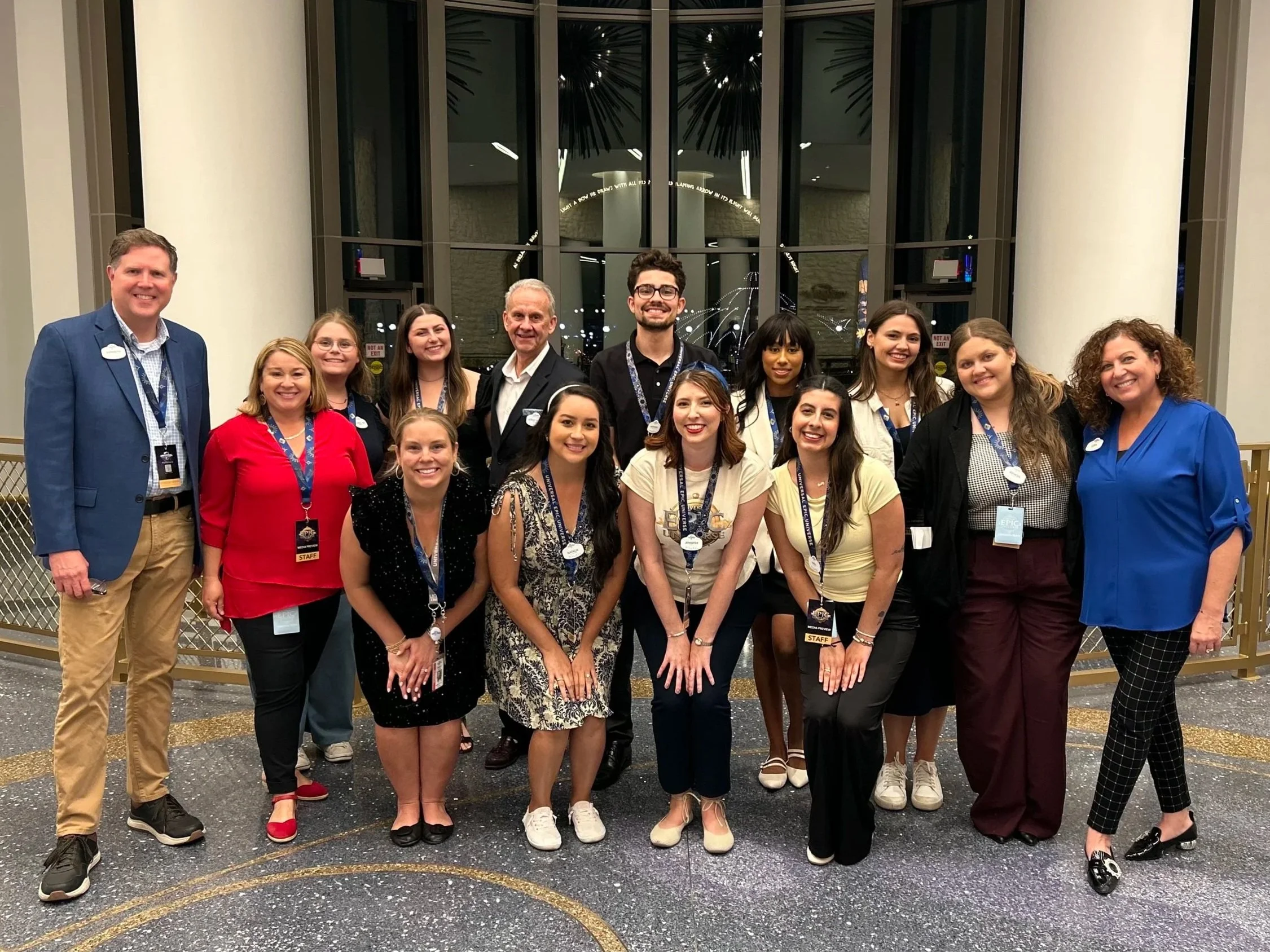
During this same period, I co-led a training program for hundreds of internal volunteers while also partnering with multiple departments to launch the new and highly anticipated Universal Epic Universe theme park. While rewarding, it was demanding, high-pressured and anxiety-provoking. During that experience, my mindfulness practice grounded me in the skills I needed to succeed while supporting my team and colleagues as we navigated challenges we had never encountered before.
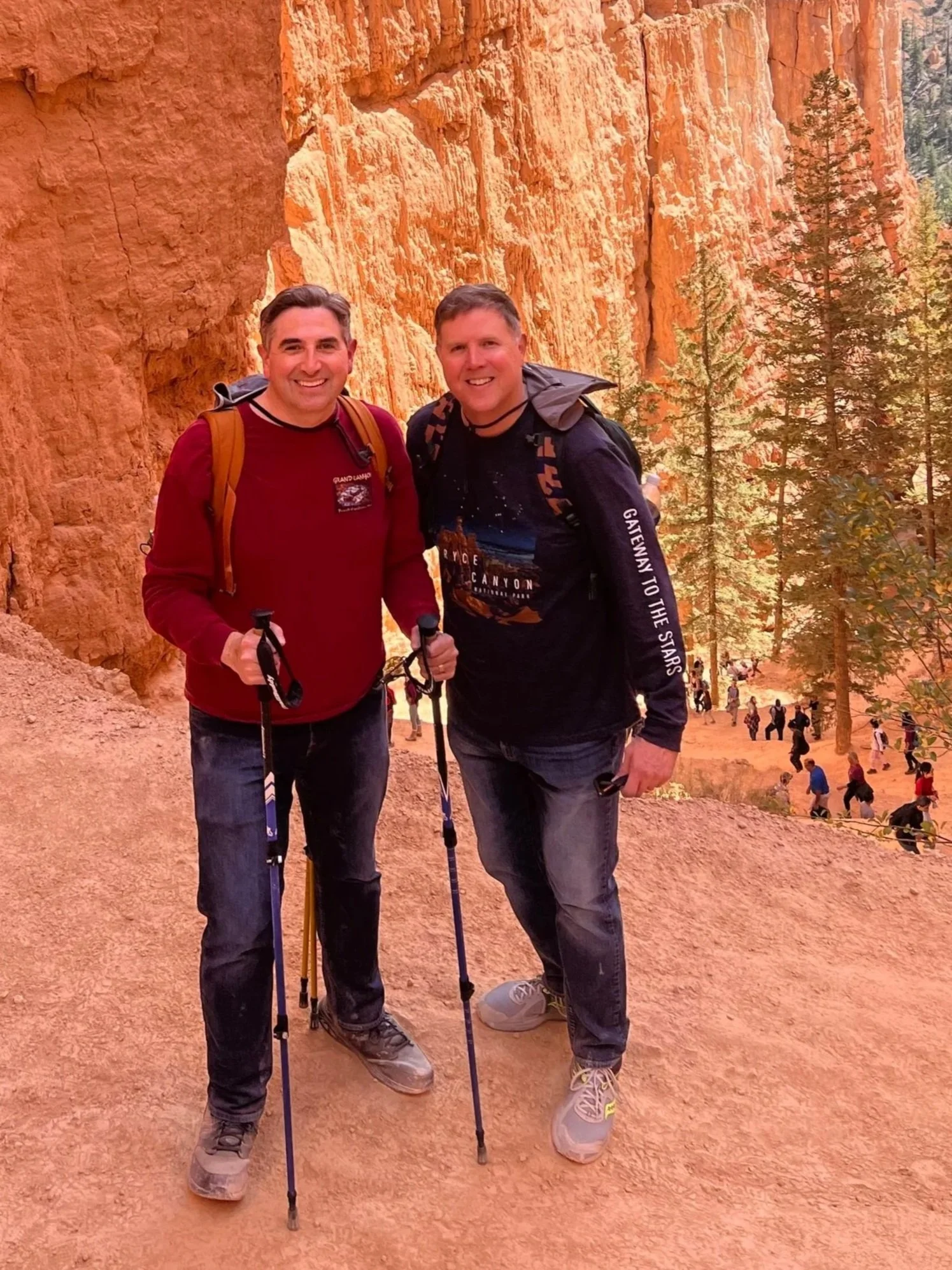
In my free time, I love hiking in National Parks with my husband, Jay, who is also an executive leadership coach. We enjoy discovering new bakeries and coffee shops, and experimenting with plant-based meals.
What challenges or scenarios are you working through right now as a leader, colleague and human being? Schedule a free consultation to explore how we can partner on your mindful leadership journey.
Kenneth
Email: kenneth@leadpresent.com
Call: 561.596.0002
FAQ
Q: What is mindfulness?
Unified Mindfulness defines mindfulness as a specific way of paying attention through a set of three core attention skills working together: concentration power, sensory clarity, and equanimity.
Q: Are the programs and services flexible to the needs of the client and organization?
Yes. I work with individual clients and organizations to customize the approach. In a discovery session, we identify the needs and goals, and then I build a program focused on a mutually agreed-upon plan.
Q: I don’t think I can shut my mind off long enough to meditate. Does this mean mindfulness and meditation are not for me?
Actually, the goal of meditation is not to shut the mind off, but to change our relationship with the activity of the mind while also developing valuable skills for cultivating our focus and resilience amid life and work’s daily challenges and happenings.
Q: What are some real-world examples of the benefits of mindfulness in the workplace?
The following articles showcase organizations and research describing the benefits of practicing mindfulness in the workplace.
Harvard Research Reveals How Mindful Leaders Develop Better Companies and Happier Employees – from Inc. | Click to read
Highlights from the article:
Mindfulness is proven to help leaders manage their stress, which reduces employee stress, creates a better workplace, and improves the bottom line.
The study also found that when leaders fail to manage their stress in a constructive way, more than 50 percent of their employees perceive their leader as harmful or ineffective. Further when leaders are unable to manage stress, employees lose their drive to advance within the company.
Mindful Practices To Protect Against Burnout In The Workplace – from Forbes | Click to read
Highlights from the article:
In one survey, it was found that 77% of the 1,000 workers surveyed reported experiencing employee burnout at their current job. With its resulting mental and physical fatigue, burnout can also drain motivation and morale. This, in turn, can have a knock-on effect. Put simply, low morale in the workplace can be costly.
Incorporating mindfulness techniques and strategies into your day-to-day operations can offer a plethora of business benefits, including: reduced rates of employee absenteeism, increased levels of employee productivity, improved employee cognitive health and increased levels of job satisfaction.
Mindfulness: The Key To Thriving In A Fast-Paced World And Building A Resilient Workforce – from Forbes | Click to read
Highlights from the article:
By practicing mindfulness, they can learn to manage their emotions more effectively, improve focus, and foster a sense of inner calm and well-being in the face of life's challenges.
By integrating mindfulness into both personal and professional life, individuals can experience greater clarity, focus, and resilience, while organizations can enjoy the benefits of a happier, more productive workforce.
Q: Learning mindfulness sounds interesting, but who has time to stop and meditate or practice mindfulness in today’s fast-paced work environments?
While it is true that a formal meditation session can last ten minutes or longer, that is just one approach available to you. I teach mindfulness techniques that can be practiced on the go, during work meetings or while exercising. The time commitment can range from 30 seconds to nine minutes. There are benefits to longer practice times, but the benefits can also be experienced from these shorter micro practices.